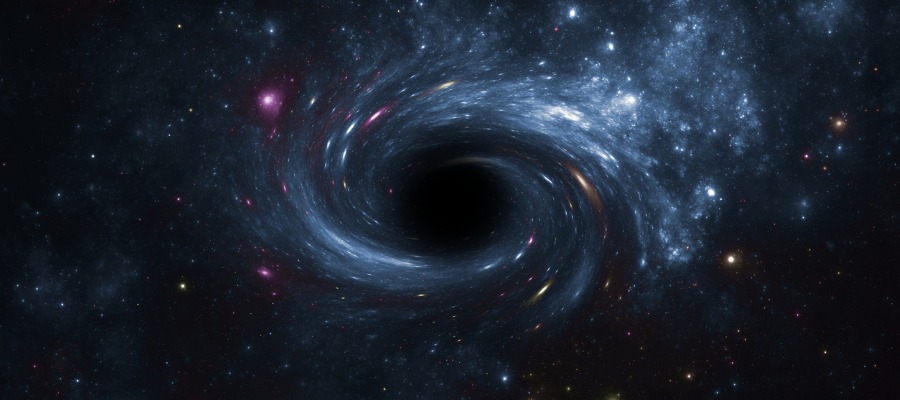
Black Hole
Don't let the name fool you: a black hole is anything but empty space. Rather, it is a great amount of matter packed into a very small area - think of a star ten times more massive than the Sun squeezed into a sphere approximately the diameter of New York City. The result is a gravitational field so strong that nothing, not even light, can escape.
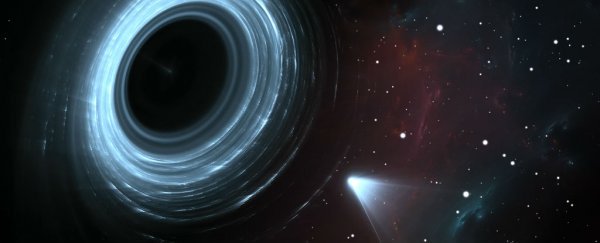
Worm hole
Wormholes are solutions to the Einstein field equations for gravity that act as "tunnels," connecting points in space-time in such a way that the trip between the points through the wormhole could take much less time than the trip through normal space.
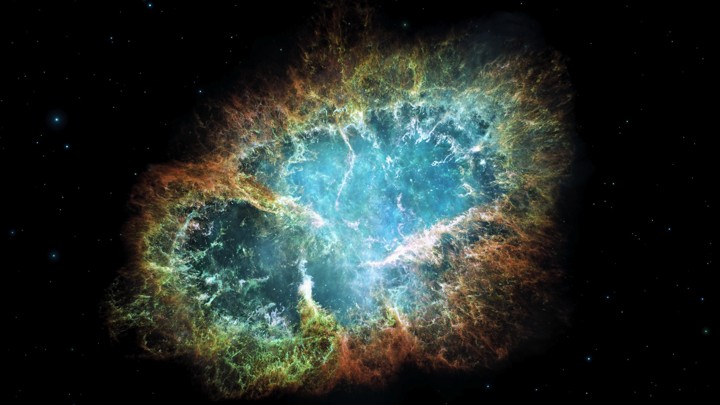
Super Nova
A blindingly bright star bursts into view in a corner of the night sky — it wasn't there just a few hours ago, but now it burns like a beacon. The brilliant point of light is the explosion of a star that has reached the end of its life, otherwise known as a supernova. Supernova can briefly outshine entire galaxies and radiate more energy than our sun will in its entire lifetime. They're also the primary source of heavy elements in the universe.
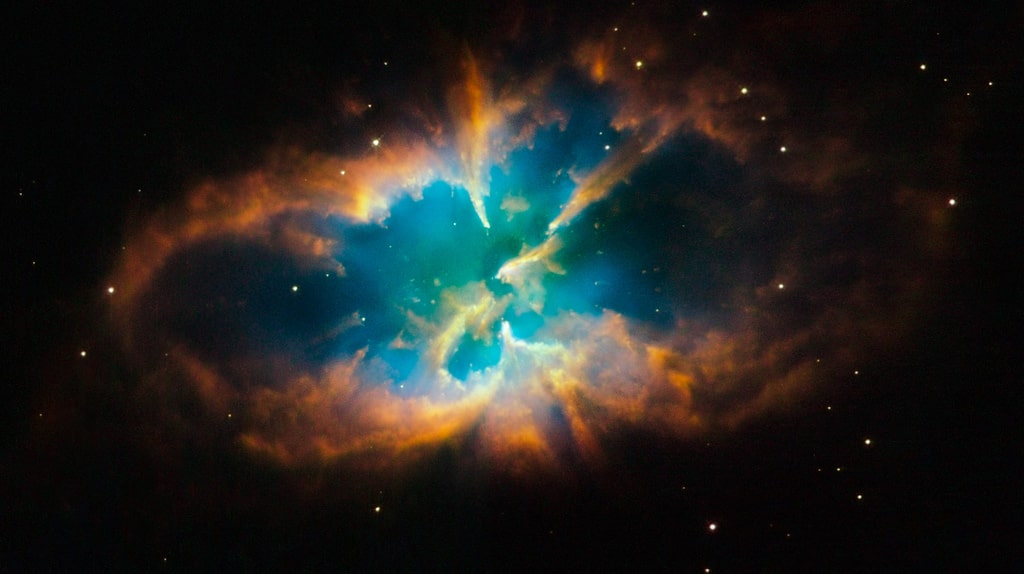
Nebula
A nebula is a big cloud of dust and gas. They’re found in interstellar space, or the space between stars. They look quite fuzzy in appearance, like fluffy clouds or cotton wool in the sky. Of course, it is difficult to see them without a telescope. From Earth, there are few nebulae we can see in the night sky. One of the ones we can see is the Orion Nebula! If you want to find it, look in the sword of the constellation Orion.
Comet
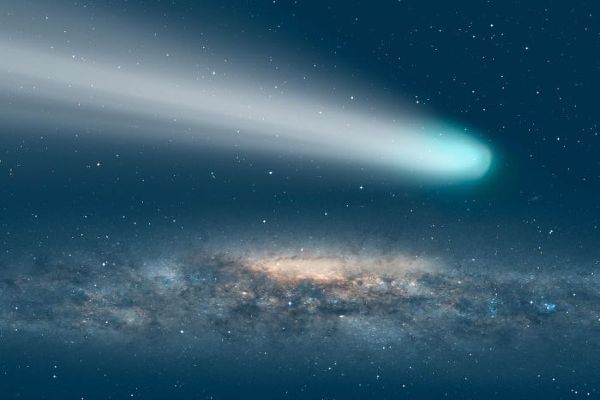
Comets are icy bodies in space that release gas or dust. They are often compared to dirty snowballs, though recent research has led some scientists to call them snowy dirtballs. Comets contain dust, ice, carbon dioxide, ammonia, methane and more.
Dark Matter
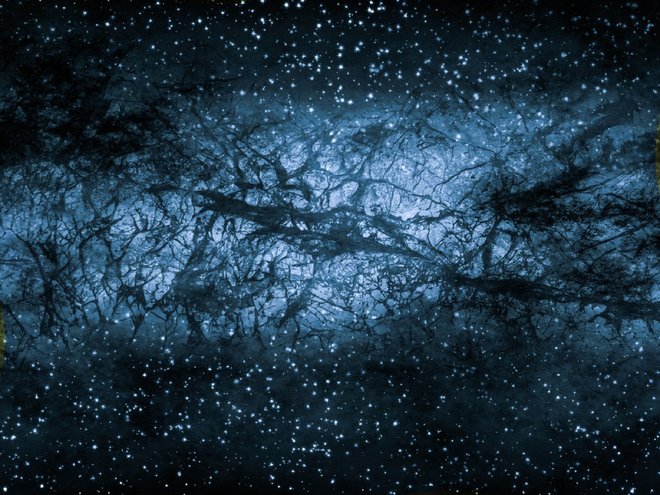
Unlike normal matter, dark matter does not interact with the electromagnetic force. This means it does not absorb, reflect or emit light, making it extremely hard to spot. In fact, researchers have been able to infer the existence of dark matter only from the gravitational effect it seems to have on visible matter. Dark matter seems to outweigh visible matter roughly six to one, making up about 27% of the universe.
Red Giant
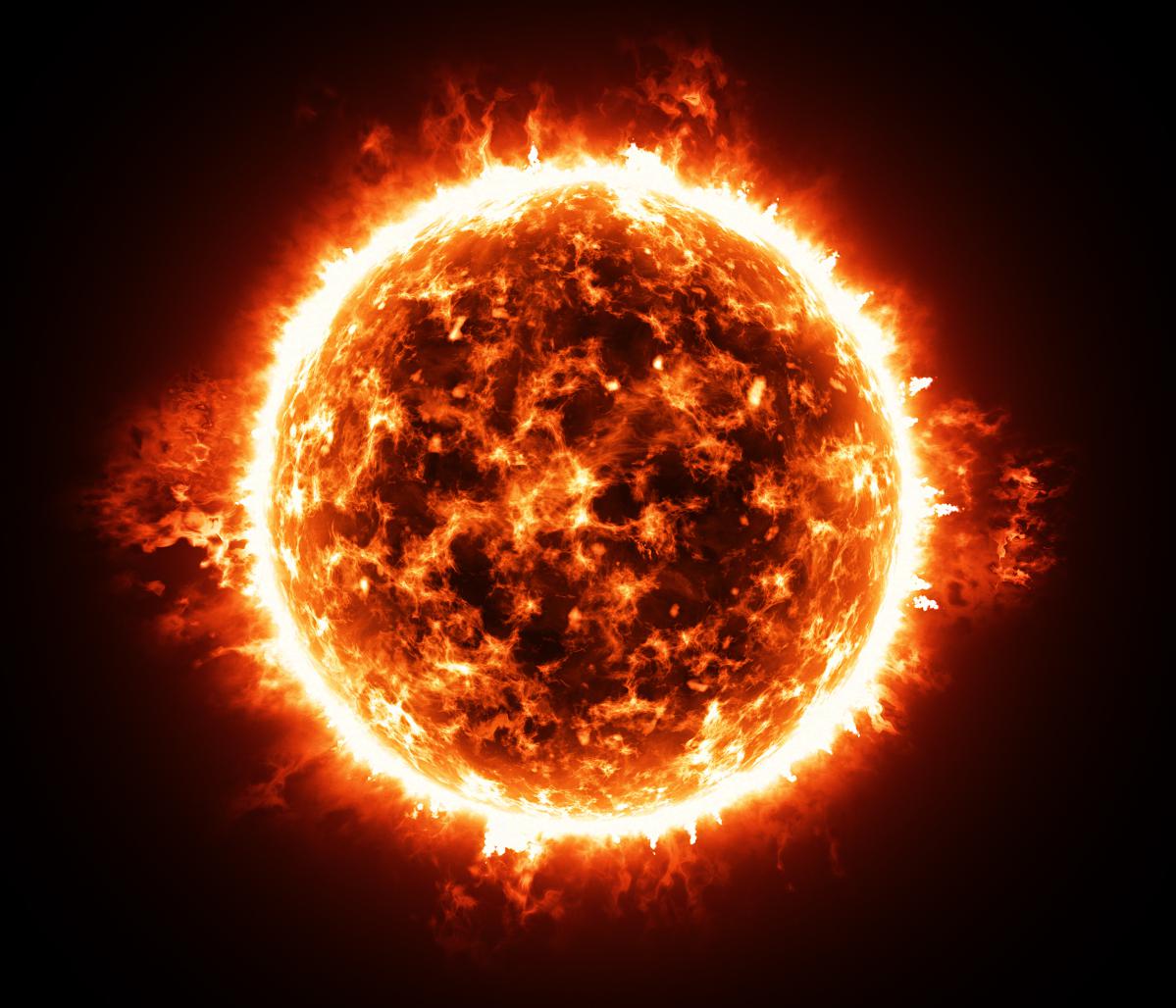
A red giant star is a dying star in the last stages of stellar evolution. In only a few billion years, our own sun will turn into a red giant star, expand and engulf the inner planets, possibly even Earth. What does the future hold for the light of our solar system and others like it?
White Dwarf
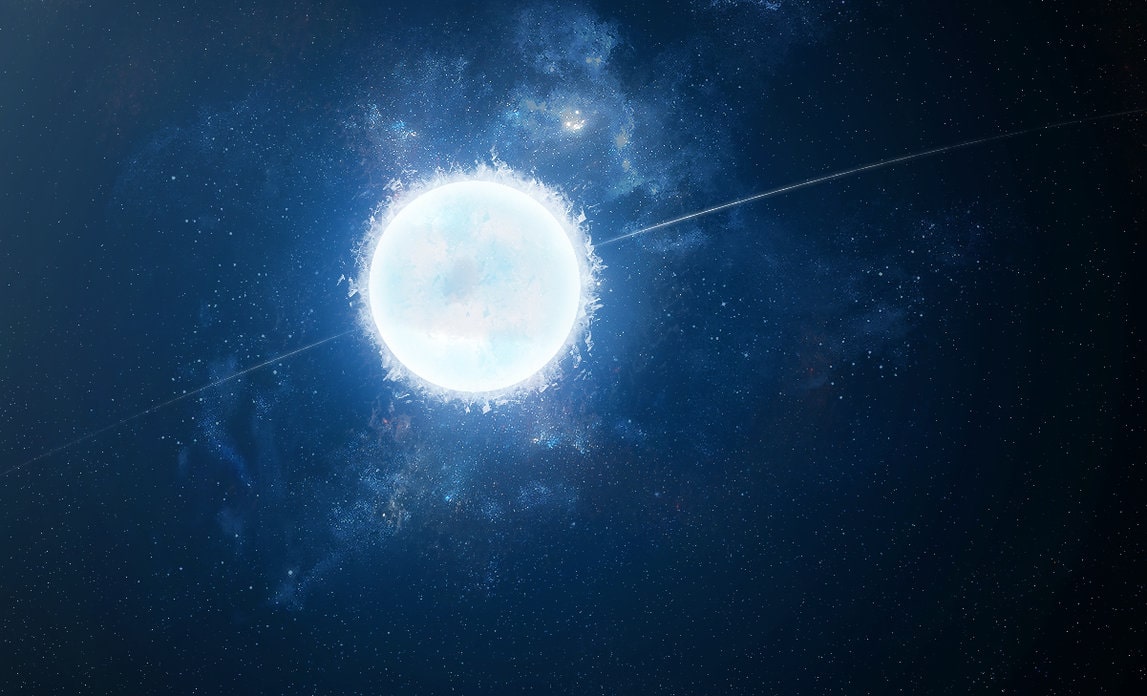
A white dwarf, also called a degenerate dwarf, is a stellar core remnant composed mostly of electron-degenerate matter. A white dwarf is very dense: its mass is comparable to that of the Sun, while its volume is comparable to that of Earth. A white dwarf's faint luminosity comes from the emission of stored thermal energy; no fusion takes place in a white dwarf wherein mass is converted to energy.
Anti Matter
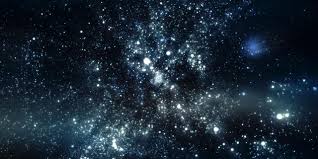
The matter-antimatter asymmetry in the Universe is one of the most evasive and fascinating enigmas in physics. Antimatter, a mirror imageof matter, is an idea so revolutionary that even its discoverer initially feared its consequences. In particle physics, antimatter extends theconcept of the antiparticle to matter. If a particle and its antiparticlecome into contact with each other, the two annihilate
Astroid
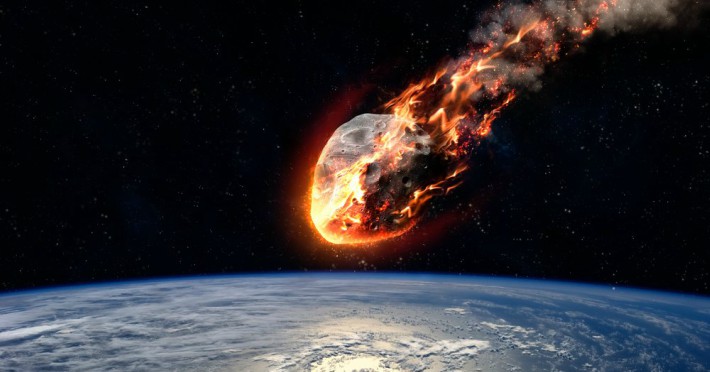
Asteroids are minor planets, especially of the inner Solar System. Larger asteroids have also been called planetoids. These terms have historically been applied to any astronomical object orbiting the Sun that did not resemble a planet-like disc and was not observed to have characteristics of an active comet such as a tail. As minor planets in the outer Solar System were discovered they were typically found to have volatile-rich surfaces similar to comets.
Hubble Space Telescope
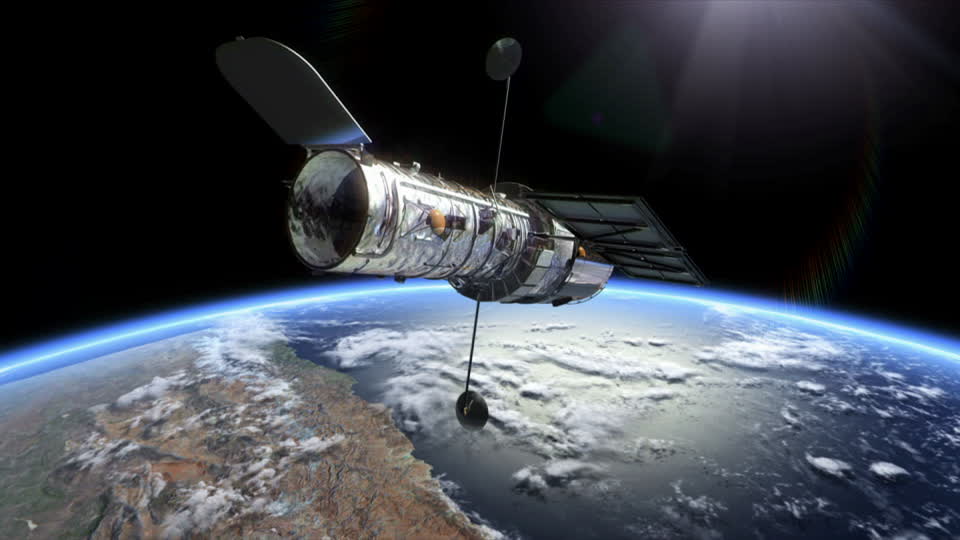
On April 24, 1990, after years of planning and delays, the Space Shuttle Discovery lifted the Hubble Space Telescope into an orbit 350 miles above Earth. During the next 25 years, the power of Hubble revealed a new, breathtaking uni- verse to the world and The Associated Press was along for the journey. This celestial ambassador to the stars doesn’t just illustrate the story of the uni- verse, but has a tale of its own, complete with the highs and lows of such an ambi- tious endeavor.
Milky Way
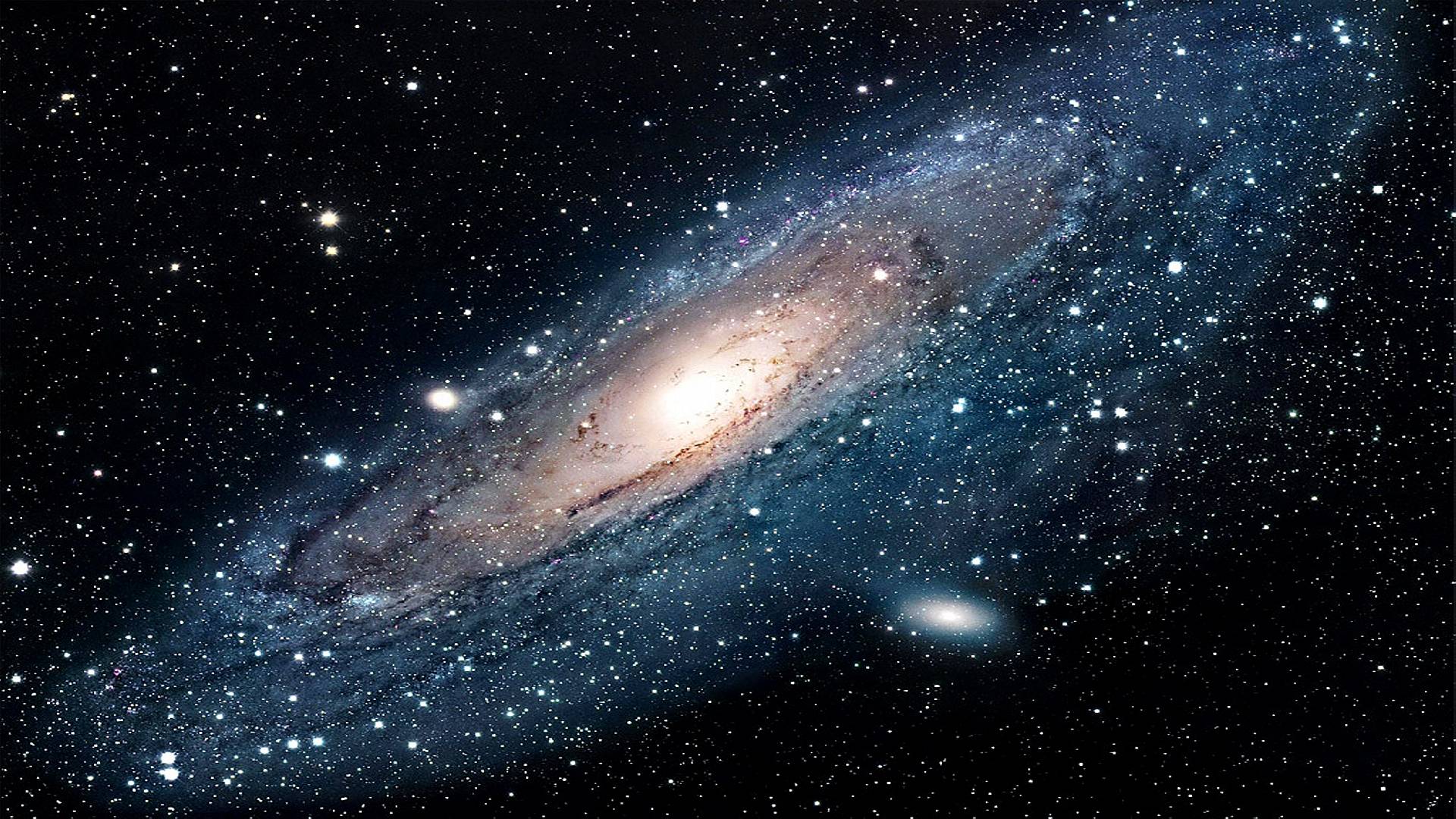
Our Sun and all the planets around it are part of a galaxy known as the Milky Way Galaxy. A galaxy is a large group of stars, gas, and dust bound together by gravity. They come in a variety of shapes and sizes. The Milky Way is a large barred spiral galaxy. All the stars we see in the night sky are in our own Milky Way Galaxy. Our galaxy is called the Milky Way because it appears as a milky band of light in the sky when you see it in a really dark area.